Why Your Car Keeps Overheating & How Mechanics Can Fix It
Seeing your temperature gauge rise or a warning light appear on the dashboard can be stressful, especially when you rely on your vehicle every day for work, school, or family commitments. Overheating is a common issue that can affect cars of all ages, from older models to newer vehicles with complex cooling systems.
In many cases, overheating develops gradually. Small issues, such as low coolant levels or worn components, can build up over time before becoming serious problems. Without early attention, this can lead to engine damage and unexpected repair costs.
Understanding the common causes of overheating helps drivers respond quickly and make informed decisions. For many local drivers, seeking help from a trusted mechanic in Mittagong is the safest way to diagnose the issue early, prevent further damage, and keep their vehicle running reliably.

When the Temperature Gauge Creeps Up Without Warning
A rising temperature gauge is often the first sign that something is wrong under the bonnet. Overheating does not always happen suddenly and may begin with subtle changes that are easy to overlook during busy routines or short daily trips. These early changes are important indicators that the cooling system is under strain.
Ignoring early signs can allow minor faults to develop into more serious and costly repairs. What starts as a small coolant issue or sensor warning can quickly escalate into engine overheating if left unaddressed. Recognising warning signals gives drivers the opportunity to act before lasting damage occurs.
Common early indicators include:
- Temperature gauge climbing higher than normal
- Steam or unusual smells coming from the engine bay
- Warning lights appearing intermittently

A prompt inspection allows a mechanic to determine whether the issue is cooling-related or linked to another engine component before further problems arise.
Coolant Leaks & Low Fluid Levels Are a Common Culprit
Coolant plays a critical role in regulating engine temperature by absorbing heat and carrying it away from key engine components. When coolant levels drop due to leaks or gradual evaporation, the engine can no longer disperse heat effectively, increasing the risk of overheating during normal driving.
Leaks can be difficult to spot without a proper inspection and may occur in hoses, seals, or the radiator itself. In some cases, coolant loss happens slowly, making the problem easy to miss until overheating becomes frequent. Even a small leak can place ongoing stress on the engine if left unresolved.
Common signs of coolant issues include:
- Puddles forming under the vehicle
- Sweet-smelling vapour from the engine area
- A frequent need to top up coolant
Cooling system inspections identify leaks early and help prevent further stress and damage to the engine.
Radiator Problems That Stop Your Engine From Cooling Properly
The radiator is responsible for releasing heat from the coolant as it circulates through the engine. When it is working properly, it helps maintain a stable operating temperature. If the radiator becomes blocked, damaged, or corroded, cooling efficiency can drop significantly, leading to overheating.
Over time, debris, sediment, and rust can build up inside the radiator, restricting coolant flow and reducing its ability to transfer heat. External damage, such as bent fins or blocked airflow, can also limit the effectiveness of heat release, especially in slow-moving traffic.
Common radiator issues include:
- Internal blockages that restrict coolant circulation
- Bent or damaged fins reducing airflow
- Corrosion or small leaks developing over time
Radiator servicing or replacement restores proper heat dissipation and helps support stable engine temperatures during everyday driving.
Faulty Thermostats & Why Temperature Control Matters
The thermostat controls when coolant flows through the radiator, helping the engine reach and maintain its correct operating temperature. If it becomes stuck in the closed position, coolant cannot circulate properly, and heat can build rapidly inside the engine, leading to overheating within a short period of time.
Thermostat issues can be difficult for drivers to diagnose because symptoms may appear inconsistent. In some cases, the vehicle may run normally for a while before the temperature suddenly rises. These unpredictable changes can make the problem easy to dismiss until overheating becomes more frequent.
Typical signs of a faulty thermostat include:
- Rapid overheating shortly after startup
- Fluctuating or unstable temperature readings
- Poor or inconsistent cabin heater performance
Testing and replacing a faulty thermostat ensures the cooling system responds correctly as the engine warms and helps prevent unnecessary engine stress.
Water Pump Failures That Lead to Serious Engine Damage
The water pump circulates coolant throughout the engine and radiator. When it fails, circulation stops and overheating can occur quickly. Water pump issues are often linked to wear over time or bearing failure. Leaks near the pump are a common early sign.
Other indicators of water pump problems include:
- Coolant leaks near the front of the engine
- Grinding or whining noises
- Overheating at highway speeds
Replacing a failing pump prevents severe overheating and protects the engine from internal damage.
Why Overheating Often Happens in Traffic or Heavy Driving
Stop-start driving and heavy loads place extra strain on cooling systems. Reduced airflow combined with engine load can cause temperatures to rise. Vehicles towing loads or carrying equipment may overheat more easily if the cooling system is not operating efficiently.
Contributing factors include:
- Limited airflow at low speeds
- Increased engine load
- Ageing cooling components
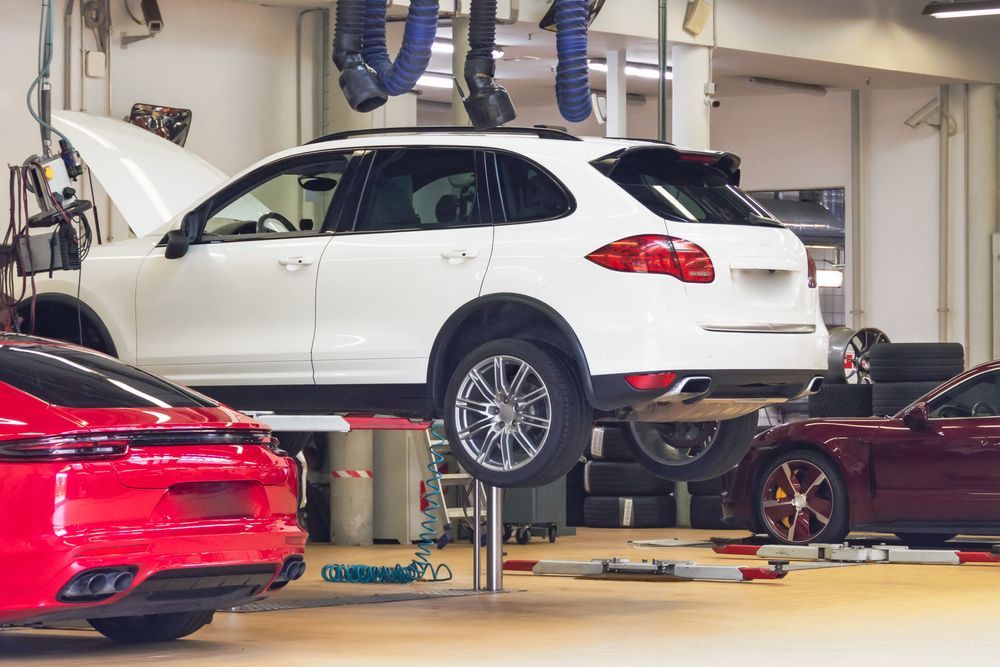
A full system check by an auto mechanic in Mittagong will help identify weaknesses that show up under demanding conditions.
What a Professional Mechanic Checks During an Overheating Inspection
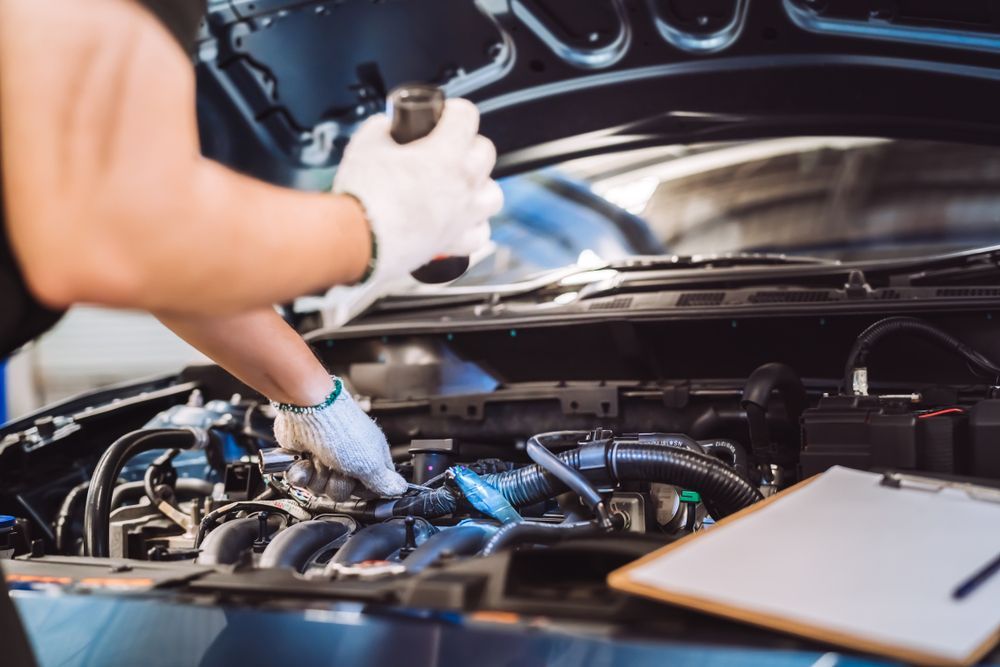
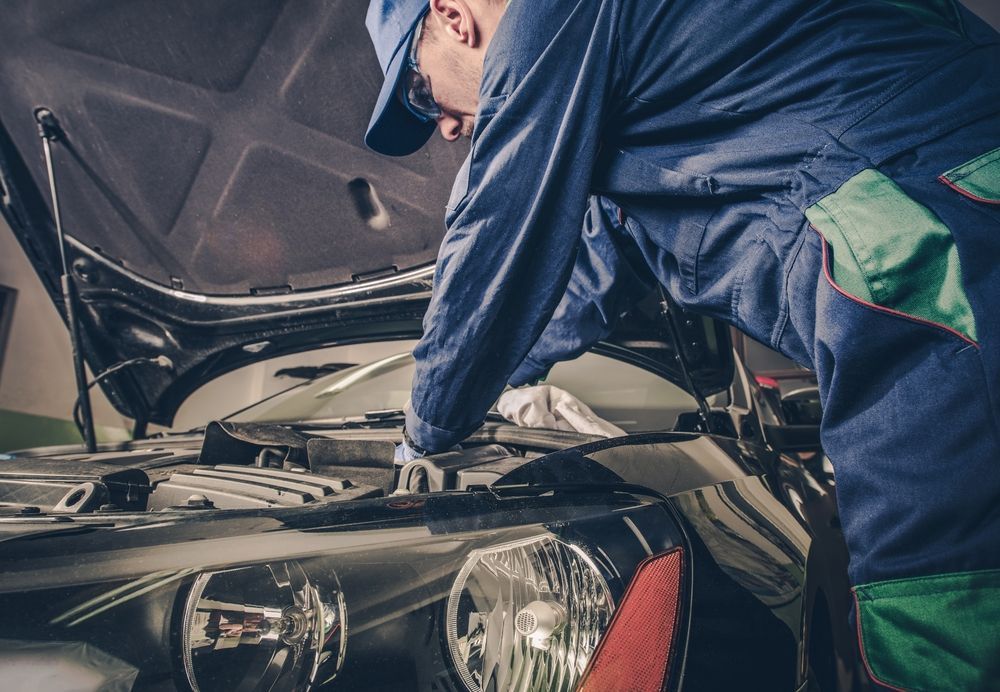
Diagnosing overheating requires a methodical approach. Mechanics assess the entire cooling system to identify the root cause rather than guessing based on symptoms alone.
A thorough inspection often includes:
- Pressure testing the cooling system
- Checking coolant condition & flow
- Inspecting belts, hoses & fans
- Scanning for fault codes
This process allows accurate diagnosis and targeted repairs rather than unnecessary part replacements.
Preventive Maintenance That Helps Avoid Future Overheating
Regular maintenance is one of the most effective ways to prevent overheating issues. Simple servicing tasks can significantly extend engine life.
Preventive measures include:
- Scheduled coolant flushes
- Hose & belt inspections
- Radiator cleaning
- Early replacement of worn components
Routine servicing helps identify potential issues early and reduces the risk of breakdowns during everyday driving.
Get Your Car Checked
At Bowral Auto Care, we help drivers across the Southern Highlands manage overheating issues caused by daily commuting, traffic conditions, and ageing vehicles. If you are noticing warning signs or want reassurance from a reliable Mittagong mechanic, contact our team to book an inspection and keep your vehicle performing safely and efficiently.