Pink Slips Explained: What They Are, What They Cost, and How Long They Last (NSW)
If you've ever tried to renew your vehicle registration in NSW and found yourself staring at a notice requiring a Pink Slip, you're not alone. Many drivers — especially those new to the state or registering an older vehicle for the first time, find the requirement confusing. What exactly is a Pink Slip? Who needs one? And what does the inspection actually involve? These are reasonable questions, and getting clear answers upfront can save you time, money and unnecessary delays at the registry. Whether you drive a daily commuter car, a work ute or a high-mileage vehicle you rely on every week, understanding the process makes it far less stressful. As a
mechanic in Mittagong, we see customers come in regularly with questions about the process, and this guide covers everything you need to know before you book your inspection.
What Is A Pink Slip And Why Does NSW Require It?
A Pink Slip is the everyday name for an eSafety check, a roadworthiness inspection required by Transport for NSW for certain vehicles before they can be registered or have their registration renewed. The official name comes from the pink paper certificates that were once issued, though the system is now fully digital. The inspection is designed to confirm that a vehicle meets minimum safety standards before it can legally travel on NSW roads. It is not a mechanical service or a comprehensive diagnostic check — it focuses specifically on safety-related components.
Here is what the requirement is based on:
- Vehicles more than five years old generally require an eSafety check for registration renewal
- Some vehicles registering in NSW for the first time (particularly those from interstate) may also need one
- Light vehicles, motorcycles and some trailers fall under the scheme, with different rules applying to heavy vehicles
Who Is Authorised To Issue A Pink Slip?
Not every workshop can carry out an eSafety check — the inspection must be performed by an Authorised Inspection Station (AIS), which is a business licensed by Transport for NSW to conduct these assessments. When you visit an AIS, the inspector uses a government-connected system to log the outcome of the inspection directly. This means the result is recorded in real time, and if your vehicle passes, the data is available to Service NSW when you go to renew your registration.
A few things worth knowing about authorised inspections:
- Only licensed AIS workshops can legally issue a Pink Slip
- The inspector must use the official eSafety check system — no paper-only outcomes
- Results are electronically linked to your vehicle's registration record
- Choosing an authorised auto mechanic in Mittagong ensures your inspection counts
What Does The Inspector Actually Check?
The inspection covers a defined list of safety items, not the general condition of the engine or non-safety systems. Inspectors follow a standardised checklist set by Transport for NSW, which means every vehicle is assessed against the same criteria regardless of where you go. The focus is on the parts of a vehicle that directly affect its safety on the road.
The main areas covered during an eSafety check include:
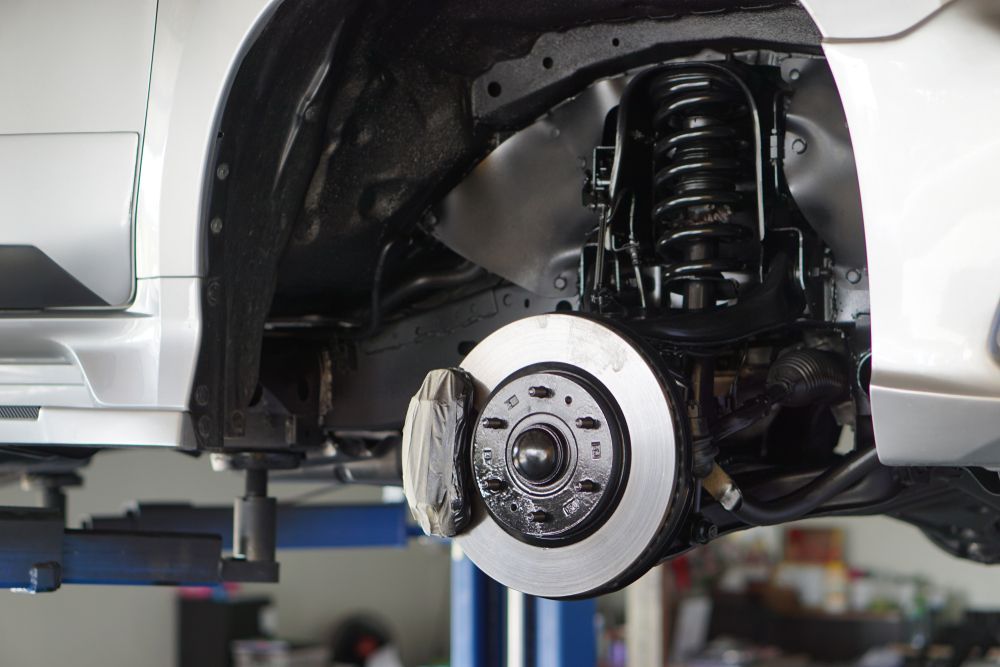
- Brakes — condition, operation and performance across all wheels
- Steering and suspension — for looseness, damage or deterioration
- Tyres — tread depth, condition and correct fitment
- Lights — headlights, indicators, brake lights and reversing lights
- Windscreen and wipers — cracks, visibility and wiper function
- Seatbelts — condition, mounting and operation
- Exhaust system — for leaks or damage affecting safety
- Body and chassis — visible structural concerns that affect roadworthiness
How Much Does A Pink Slip Typically Cost?
The NSW Government does not set a fixed price for eSafety checks, which means costs can vary between inspection stations. That said, pricing tends to be fairly consistent within a local area, and most inspections for standard passenger vehicles fall within a modest range. It is worth confirming the fee when you book rather than assuming.
Costs can be influenced by several factors:
- Vehicle type — motorcycles, passenger cars and light commercial vehicles may attract different rates
- Station pricing — individual workshops set their own fees within a competitive market
- Additional work — if repairs are needed to pass, those are separate costs quoted by the mechanic
- Booking ahead — calling to confirm pricing avoids any surprises on the day
How Long Is A Pink Slip Valid Once Issued?
Once your vehicle passes the eSafety check, the Pink Slip is valid for 42 days. This gives you a reasonable window to complete the registration renewal through Service NSW before the certificate expires. If you do not renew within that period, you will need another inspection. For most drivers, the simplest approach is to book the inspection close to your registration renewal date so you are not racing to meet the deadline.
A few practical notes on validity:
- The 42-day window runs from the date of the inspection, not the registration expiry date
- You must complete the registration renewal through Service NSW or an authorised registry
- The eSafety check result is linked electronically, so no paper certificate needs to be submitted
- Planning the timing of your inspection avoids the need to repeat the process
What Happens If Your Vehicle Fails The Inspection?
A failed eSafety check is not the end of the road, it simply means the vehicle needs certain repairs before it can be re-inspected. The inspector will provide a written report detailing what failed and why, giving you a clear picture of what needs to be addressed. In many cases, the issues identified are straightforward to repair.
Here is how the process generally works after a failed inspection:
- The inspector issues a failed inspection report outlining each defect
- You arrange the necessary repairs, either at the same workshop or elsewhere
- Once repairs are complete, the vehicle returns for re-inspection
- Some stations offer a reduced re-inspection fee if the vehicle returns within a set period
- Identified defects must be fixed before the vehicle can be legally re-registered
Preparing Your Vehicle Before The Inspection
While there is no requirement to service your vehicle before an eSafety check, it makes practical sense to address any obvious concerns beforehand. Arriving with a vehicle that has known faults — flickering brake lights, a cracked windscreen or worn tyres — is likely to result in a failed inspection and additional cost. A bit of preparation goes a long way.
Things worth checking before you arrive:
- All exterior lights are functioning, including indicators and reversing lights
- Tyre tread depth meets the legal minimum of 1.5mm across the full width
- Windscreen is free of cracks in the driver's line of sight
- Brakes feel responsive and do not pull to one side
- Seatbelts extend, retract and latch correctly
- Wiper blades make clean contact across the windscreen
Understanding The Difference Between A Pink Slip And A Blue Slip
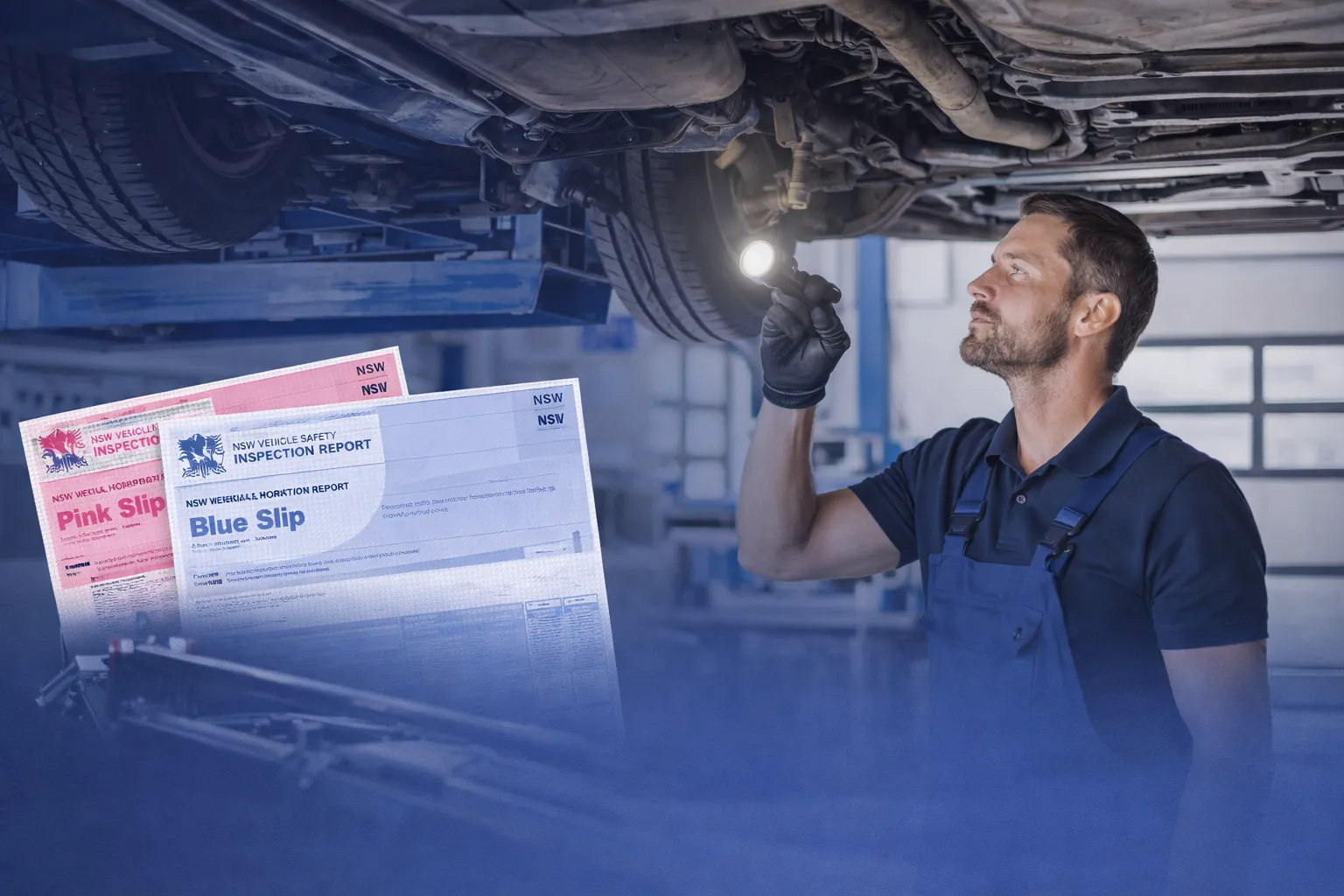
It is easy to confuse the two, but Pink Slips and Blue Slips serve different purposes. A Pink Slip (eSafety check) applies to vehicles that are already registered in NSW and need a renewal inspection. A Blue Slip is a more comprehensive inspection required for unregistered vehicles, vehicles being registered in NSW for the first time or vehicles that have had significant structural modifications. If you have recently bought an unregistered vehicle or moved to NSW with an interstate-registered car, you may need a Blue Slip rather than a Pink Slip.
Key differences to keep in mind:
- Pink Slip — for registered NSW vehicles renewing registration (typically five years or older)
- Blue Slip — for unregistered vehicles or first-time NSW registration
- Blue Slips are more thorough and cover identity checks and additional compliance items
- Your mechanic near me can advise which inspection type applies to your specific situation
Book Your Inspection With Bowral Auto Care
We at Bowral Auto Care understand that navigating NSW vehicle registration requirements can feel like one more thing on an already full plate. Whether you are renewing the family car, keeping a work vehicle on the road or dealing with the quirks of an older high-mileage ute, our team is here to make the process straightforward. The Southern Highlands road network puts real demands on brakes, suspension and tyres, and we see firsthand what local driving conditions do to vehicles over time. If you need a mechanic Mittagong drivers trust for honest advice and thorough eSafety checks, give us a call or book online today. We will let you know exactly what to expect, answer your questions before you arrive and help get your registration sorted without the stress.