What Is A Blue Slip In NSW? Cost, Requirements And How To Get One
A blue slip, officially known as an Authorised Unregistered Vehicle Inspection (AUVIS) report, is a safety and identity inspection required before an unregistered vehicle can be registered in NSW. You need one if your registration has lapsed for more than three months, if the vehicle has been brought in from interstate or overseas, or if it has no current NSW plates. The inspection is carried out by an authorised eSafety station and is valid for 42 days from the date of issue. If you've just bought an unregistered car, inherited a vehicle that's been sitting in a shed, or moved to NSW with interstate plates, the blue slip process is probably the first thing standing between you and legal registration. It's not overly complicated, but there are a few things worth knowing before you book, including what the inspection actually covers, how much it costs and what you'll need to bring along.
When Do You Actually Need a Blue Slip in NSW?
Not every vehicle needs a blue slip, so it's worth confirming whether you fall into one of the categories that triggers the requirement before booking anything. A blue slip in NSW applies in a specific set of circumstances, not simply when a car is due for renewal.
You'll need one if:
- Your vehicle's registration has been expired for more than three months
- The vehicle is being brought into NSW from another state or territory
- The vehicle has been imported from overseas
- The car has no number plates at all
- The vehicle was written off and has since been approved for re-registration
- A significant change has been made to the vehicle, such as an engine replacement, that affects the registration records
- You've received a defect notice that requires a full re-inspection
If your vehicle is already registered in NSW and you're simply renewing annually, you won't need a blue slip. You'll need a pink slip instead. For a detailed breakdown of what that involves, see pink slips explained.
Blue Slip vs Pink Slip: What's the Difference?
The two inspections are often confused, but they serve different purposes and apply to different vehicles. A pink slip (eSafety check) is the annual roadworthiness inspection for registered vehicles already in the NSW system, generally required for cars older than five years at renewal time. A blue slip in NSW goes further. It's not just a safety check. It also verifies the vehicle's identity, confirming that the VIN, engine number and compliance plates all match the records held by Transport for NSW. This is the check that catches stolen vehicles given false identities, or modified vehicles that no longer comply with design standards. If a pink slip is a health check, a blue slip is more like a complete background check with a health check included.
What the Blue Slip Inspection Actually Covers
The scope of a blue slip inspection is broader than most people expect. Because the vehicle is entering or re-entering the NSW registration system, the inspector needs to verify both its physical condition and its legal identity.
The inspection covers two distinct areas:
- Identity checks: VIN, engine number, chassis number and compliance plates are all verified against Transport for NSW records to confirm the vehicle hasn't been stolen, rebirthed or significantly altered without proper documentation
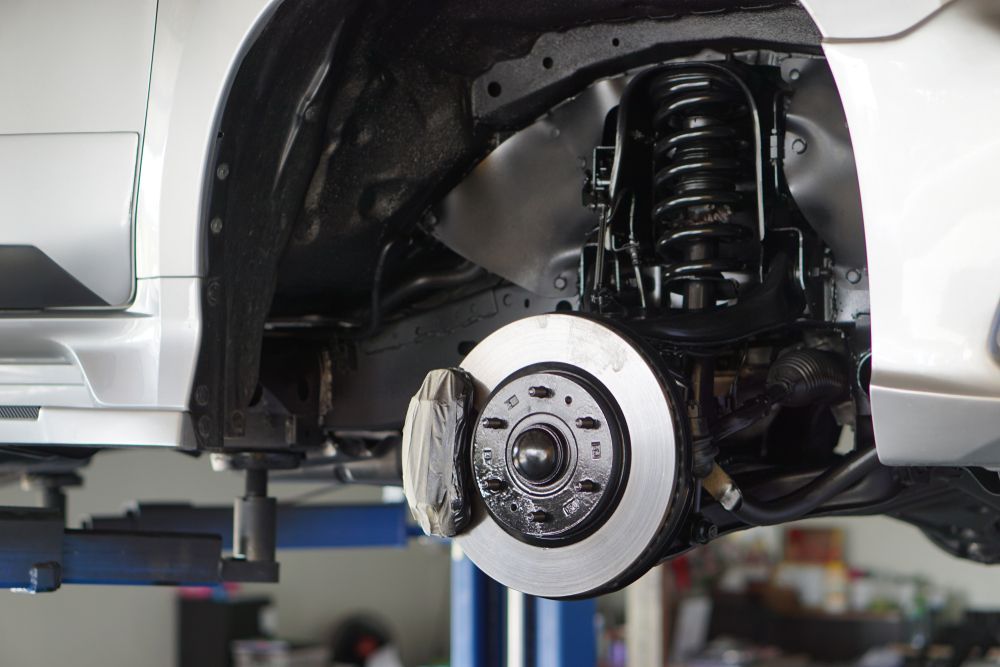
- Safety and roadworthiness: Brakes, tyres, suspension, steering, lights and indicators, seatbelts, windscreen and wipers, body condition, rust and structural integrity, engine, exhaust and emissions
How Much Does a Blue Slip Cost in NSW?
The blue slip cost in NSW is regulated by Transport for NSW, which sets a maximum cap to prevent overcharging. As at mid-2026, the regulated maximum fee for a light vehicle (car or ute) is $80 including GST. Some authorised stations charge slightly less, often in the $66 to $78 range.
Keep these points in mind when budgeting:
- The inspection fee covers the safety and identity check only, not any repairs needed to pass
- Motorcycles attract a lower fee of approximately $49, and braked trailers approximately $58
- If your vehicle fails and needs repairs before re-inspection, additional fees may apply unless you return to the same station within the specified timeframe
- Costs for any mechanical work required to bring the vehicle up to standard are separate and will vary depending on what's found
What You Need to Bring to Your Inspection
Turning up without the right documents can delay the process, so it's worth getting everything together beforehand. The inspection itself can take anywhere from 30 to 60 minutes depending on the vehicle's condition, so a little preparation goes a long way.
Make sure you bring:
- Proof of identity such as a current driver's licence
- Proof of ownership, for example a transfer of registration certificate, purchase receipt or previous registration papers
- The vehicle's VIN and engine number details
- Any previous inspection reports if applicable
- If bringing an interstate vehicle, the original interstate registration papers and number plates
Common Reasons Vehicles Fail a Blue Slip Inspection
A failed inspection doesn't end the process. It means specific items need to be fixed before the vehicle can be cleared. Understanding the common fail points can help you address obvious issues before you arrive, saving time and the cost of a re-inspection.
Typical reasons for a fail include:
- Worn or bald tyres that don't meet legal tread depth requirements
- Brake pads or rotors that are outside safe operating limits
- Lights or indicators that aren't functioning correctly
- Windscreen cracks or chips that fall within the driver's line of sight
- Structural rust in load-bearing areas of the chassis or body
- Seatbelts that are damaged, frayed or not retracting properly
- Exhaust emissions that don't meet NSW standards
- Unapproved modifications that don't comply with NSW vehicle standards
If a vehicle has been sitting unregistered for an extended period, it's often worth getting a basic
car servicing check done first to identify and address any obvious mechanical issues before the formal inspection.
What Happens After You Pass?
Once the vehicle passes, the authorised station submits the AUVIS report electronically to Transport for NSW. You'll also receive a physical copy of the blue slip, which you'll need to take with you when you complete the registration at a Service NSW centre.
The process after a successful inspection involves:
- Receiving the original blue slip certificate (keep it safe, as you'll need the hard copy)
- Arranging compulsory third party (CTP) insurance before registration can be completed
- Visiting a Service NSW centre with your blue slip, proof of identity, proof of ownership, original number plates and your completed Application for Registration form
- Paying the relevant registration and stamp duty fees at the service centre
The blue slip is valid for 42 days from the date of inspection, so it's worth booking registration promptly to avoid it expiring and having to repeat the process.
Can You Drive an Unregistered Car to the Inspection?
This is one of the most commonly asked questions, and the answer is yes, but only under specific conditions. NSW law allows you to drive an unregistered vehicle to the nearest convenient authorised inspection station for the purpose of obtaining a blue slip.
The key rules to understand are:
- You must take the most direct route to the inspection station, as any unnecessary detour can void the exemption
- If your vehicle fails, you're permitted to drive it from the inspection station to the nearest convenient place where repairs can be made, or where the vehicle can be garaged
- After passing, you can drive unregistered to the nearest convenient Service NSW centre to complete registration
- If the vehicle isn't safe to drive even for this purpose, you'll need to arrange a tow or apply for an Unregistered Vehicle Permit (UVP) through Service NSW for a specific journey
It's worth confirming in advance which inspection station you're heading to, as the "nearest convenient" qualification does apply.
Frequently Asked Questions
What is a blue slip in NSW?
A blue slip, formally an Authorised Unregistered Vehicle Inspection (AUVIS) report, is a safety and identity inspection required before an unregistered vehicle can be registered in NSW. It verifies that the vehicle is roadworthy, its identity matches Transport for NSW records and it meets applicable design standards. It's required for vehicles unregistered for more than three months, imported vehicles and interstate transfers.
How much is a blue slip in NSW?
The regulated maximum fee for a light vehicle blue slip inspection in NSW is $80 including GST as at mid-2026. Some authorised stations charge slightly less. The fee covers the inspection only, and any repairs required to pass are charged separately.
How long is a blue slip valid for in NSW?
A blue slip is valid for 42 days from the date of inspection. You need to complete vehicle registration at a Service NSW centre within that window, otherwise the inspection expires and you'll need to repeat the process.
Can I drive my unregistered car to get a blue slip?
Yes. NSW law allows you to drive an unregistered vehicle to the nearest convenient authorised inspection station for the purpose of obtaining a blue slip, provided you take the most direct route. After passing, you can also drive unregistered to the nearest Service NSW centre to complete registration. Unnecessary detours are not permitted.
What's the difference between a blue slip and a pink slip in NSW?
A pink slip (eSafety check) is the annual roadworthiness inspection for vehicles already registered in NSW. A blue slip is required for unregistered vehicles entering or re-entering the NSW system. A blue slip includes a more thorough safety check plus an identity verification component that pink slips do not cover.
Does every mechanic offer blue slip inspections?
No. Blue slip inspections can only be performed by stations with specific AUVIS accreditation from Transport for NSW. Not all mechanics hold this authorisation. Every authorised station displays an AIS (Authorised Inspection Scheme) sign listing the inspection types they're accredited to perform. You can search for accredited stations through the Service NSW website.
Get Your Blue Slip Done Right in the Southern Highlands
We at Bowral Auto Care are an authorised eSafety inspection station with MVRL licensing and MTA membership, so you can be confident your inspection is carried out to Transport for NSW standards by a qualified, experienced team. Whether you've recently purchased an unregistered vehicle, are transferring interstate plates or are bringing a long-lapsed car back onto the road, we handle blue slip inspections in Mittagong efficiently and honestly, with clear communication if anything needs attention before the car can be cleared. If your vehicle has been off the road for a while and you're unsure of its condition, your local mechanic in Mittagong can look it over, address any obvious issues and get you inspection-ready. We're located at 27 Lyell Street, Mittagong, open Monday to Friday and here to help Southern Highlands drivers navigate the registration process without the guesswork. Give our team a call to book your inspection online today.