Does Independent Servicing Void Your New Car Warranty?
Does independent servicing void warranty coverage on a new car? Generally, no. Australian car owners can choose a qualified independent mechanic without automatically losing their manufacturer's warranty, provided servicing meets the manufacturer's requirements. What matters is whether the workshop follows the correct schedule, uses suitable parts and fluids, and keeps accurate service records.
The Short Answer: Not If the Service Meets Manufacturer Specs
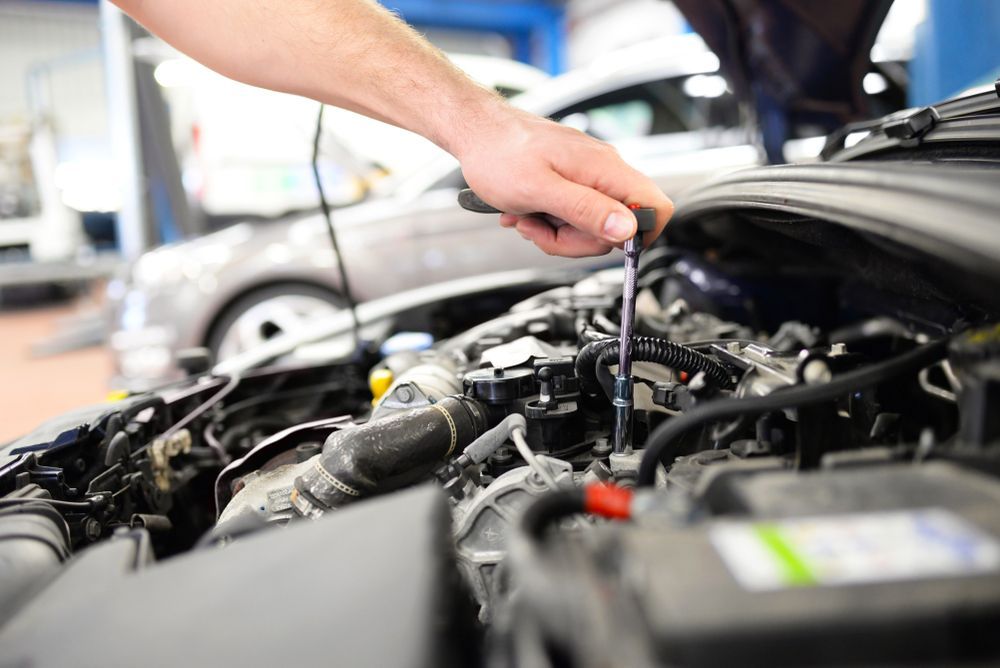
You don't have to return to the dealership for every scheduled service while your car is under warranty. A qualified independent mechanic can complete logbook servicing while helping you maintain your warranty coverage. The workshop must follow the manufacturer's servicing schedule, use appropriate components and fluids, complete the required inspections, and document the work.
For example, if your vehicle requires a specific engine oil and brake inspection, both requirements must be met. Simply changing the oil and stamping the logbook may not satisfy the manufacturer's schedule.
At Bowral Auto Care, we service all makes and models, including European and prestige vehicles, following manufacturer guidelines. Our guide to logbook servicing explains what's included at different intervals.
What Australian Consumer Law Says About Where You Service
Under Australian Consumer Law, choosing an independent mechanic doesn't automatically remove your consumer guarantee rights.
The Australian Competition and Consumer Commission (ACCC) explains that consumers can choose independent repairers. Manufacturer warranty conditions may still require servicing to meet specified standards, but a dealership cannot automatically remove your statutory protections because you serviced elsewhere.
This distinction matters when comparing dealer servicing vs independent servicing. A manufacturer may dispute a particular claim if unsuitable maintenance caused the fault, but unrelated defects should be considered separately.
Choosing a qualified workshop that follows manufacturer specifications and provides detailed records helps protect your position.
Manufacturer Warranty vs Consumer Guarantees: What's the Difference?
A manufacturer's warranty is a written promise covering specified vehicle defects for a particular period, subject to its conditions and exclusions.
Consumer guarantees are separate legal protections under Australian Consumer Law. They require vehicles sold by businesses to meet standards including acceptable quality and fitness for purpose.
These protections may continue beyond the manufacturer's warranty period, depending on the vehicle and circumstances.
For example, if an independently serviced vehicle develops an unrelated electrical defect, the manufacturer cannot automatically attribute that problem to the servicing.
Understanding both protections helps you make informed servicing decisions without assuming dealership servicing is compulsory.
Do You Need Genuine Parts, or Will Equivalent Quality Do?
Genuine manufacturer-branded parts aren't always necessary for routine servicing. Suitable equivalent-quality parts may be acceptable when they meet the manufacturer's relevant specifications.
Consider these factors:
- Genuine parts: Manufacturer-branded components aren't automatically mandatory for every scheduled service.
- Equivalent-quality parts: Aftermarket components may be suitable when they meet the required standards.
- Correct fluids: Engine oil, coolant and transmission fluid must meet manufacturer specifications.
- Specialised components: European and prestige vehicles may have specific requirements for electronic or mechanical parts.
- Service records: Detailed invoices help demonstrate which components and fluids were used.
A reputable mechanic should confirm compatibility rather than assume every aftermarket component is appropriate.
What Can Actually Put a Warranty Claim at Risk
Independent servicing itself generally isn't the problem. Incorrect maintenance, unsuitable components or faulty workmanship can create legitimate warranty disputes.
Common risks include:
- Wrong fluids: Incorrect engine oil or coolant specifications may cause mechanical damage.
- Faulty workmanship: Poor installation, incorrect adjustments or missed procedures can contribute to failures.
- Missed servicing: Overdue maintenance may affect claims where neglect contributed to the fault.
- Unsuitable parts: Components that don't meet manufacturer requirements can damage related systems.
- Vehicle modifications: Performance tuning or mechanical alterations may affect coverage when linked to a failure.
For example, if unsuitable oil causes engine damage, the manufacturer may dispute that engine repair claim. However, an unrelated window motor defect wouldn't automatically lose protection.
Recalls, Capped Price Servicing and Dealer-Only Work
Some vehicle maintenance and repairs still require the manufacturer's authorised network. Safety recalls generally involve approved repairs arranged through the manufacturer or its authorised dealerships. Contact your manufacturer if your vehicle has an outstanding recall.
Capped price servicing is different from warranty coverage. Manufacturer programs commonly require participating dealerships, meaning independent servicing may not qualify for those offers.
Certain warranty repairs, software updates and manufacturer campaigns may also require authorised dealer equipment or procedures.
If you're comparing servicing expenses, our guide to how much a car service costs explains what influences the final price.
What to Do If a Warranty Claim Is Refused
If your warranty claim is refused after independent servicing, request an explanation before accepting the decision.
Follow these steps:
- Request written reasons. Ask which warranty condition applies and how servicing allegedly contributed to the fault.
- Gather documentation. Collect invoices, logbook entries, parts details and servicing records.
- Contact the manufacturer. Request a review and provide supporting evidence.
- Seek an independent assessment. A qualified mechanic may help establish the fault's cause.
- Review ACCC guidance. Visit the ACCC's car consumer rights information to understand your protections.
- Contact NSW Fair Trading. If discussions fail, NSW Fair Trading may assist with dispute resolution.
The key takeaway is that correct servicing and thorough documentation matter more than whether you visit a dealership or independent workshop.
As a family-owned mechanic Mittagong drivers have relied on since 2002, Bowral Auto Care understands manufacturer servicing requirements. Run by Scott and Michelle Lee, with Scott leading the workshop since 2007, we're MVRL licensed and accredited with MTA, IAME and Capricorn. Ready for your next logbook service? Book your car servicing with our team.
Frequently Asked Questions
Can a dealer refuse my warranty if I service elsewhere?
A dealer generally cannot reject your warranty simply because you used an independent mechanic. However, a manufacturer may dispute a particular claim if incorrect servicing contributed to the fault. Your Australian Consumer Law protections remain separate.
Do I have to use genuine parts to keep my warranty?
No, genuine manufacturer-branded parts aren't always required. Equivalent-quality components may be suitable when they meet manufacturer specifications and don't cause damage. Your mechanic should confirm compatibility and document the parts used.
Does a late service void my car warranty?
A late service doesn't automatically void your entire warranty. However, missing maintenance intervals may affect a claim if the delay contributed to the failure. Following the manufacturer's recommended schedule reduces this risk.
Is capped price servicing only available at the dealer?
Manufacturer-backed capped price servicing commonly requires participating authorised dealerships. Independent workshops can offer alternative servicing arrangements, but these generally don't qualify under manufacturer programs. Check your vehicle's eligibility conditions before booking.
Do recalls still need to be done at a dealership?
Manufacturer safety recall repairs generally need to follow the manufacturer's authorised repair process. Independent mechanics can help identify outstanding recalls, but approved remedies normally require the manufacturer's network. Contact your dealership or manufacturer for instructions.
Will my warranty cover damage caused by a faulty service?
Manufacturer warranties generally exclude damage directly caused by faulty third-party servicing. However, Australian Consumer Law may provide remedies against the repairer if they failed to exercise due care and skill. Evidence establishing the cause is important.
Do the same rules apply to extended warranties?
Not necessarily. Extended warranties may include additional servicing conditions or nominated repairer requirements. However, these contractual conditions cannot remove your statutory Australian Consumer Law protections. Review the terms carefully before booking.